Iboga and ayahuasca are powerful plant medicines used for deep psychological healing, each rooted in different indigenous traditions. Iboga originates from the Central African rainforest, primarily used in Bwiti spiritual practices, while Ayahuasca comes from the Amazon basin, tied to shamanic ceremonies across Peru, Brazil, and Colombia.
Iboga induces an intense, physically demanding experience lasting up to 24 hours, marked by strong introspection and neurological reset. In contrast, ayahuasca’s effects last 4–6 hours and focus more on visionary insights, emotional release, and spiritual clarity. Iboga is considered stronger due to its prolonged duration and the deep purging it initiates, whereas ayahuasca’s effects are more manageable and emotionally centered.
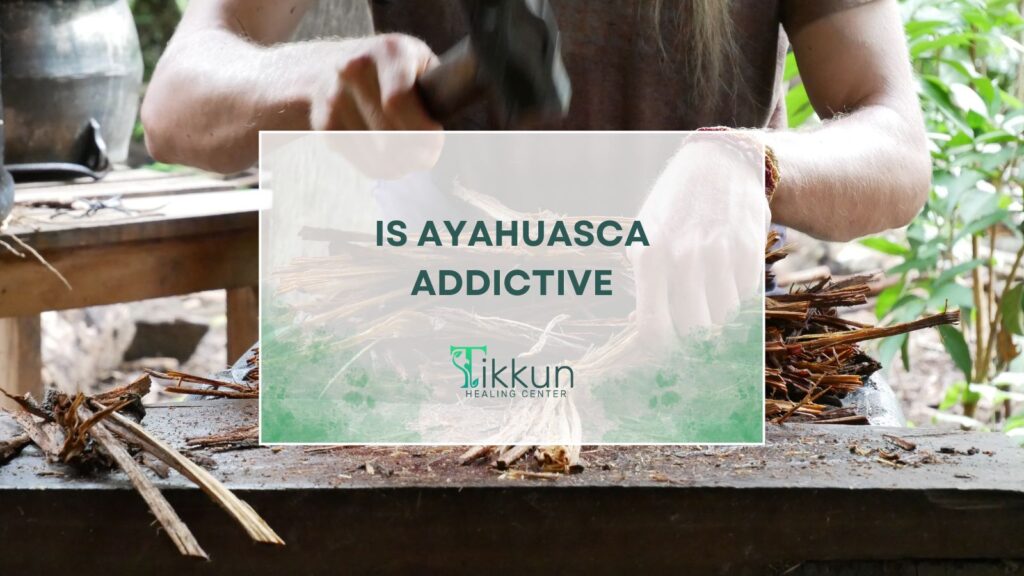
Iboga is widely used in addiction treatment, especially for opioid detoxification, while ayahuasca is favored for spiritual exploration, emotional healing, and trauma work. Physical side effects are more pronounced with iboga, including nausea, dizziness, and cardiac sensitivity, making it riskier without proper medical oversight. Iboga’s preparation uses the root bark, which is scraped and boiled into a tea. In contrast, ayahuasca combines Banisteriopsis caapi vine and Psychotria viridis leaves, both boiled to activate the DMT-MAOI interaction.
Ayahuasca is more globally accessible due to its widespread use in South American retreats, while iboga remains rare, largely restricted to therapeutic or ceremonial centers. Ayahuasca also carries a longer documented history in indigenous healing and psychedelic therapy. Aftereffects differ as well. Iboga’s aftermath includes prolonged cognitive recalibration and emotional difficulty, while ayahuasca’s is gentler and focused on post-ceremony integration and clarity.
Because both plants exert intense psychological and physical effects, combining iboga and ayahuasca is not recommended. Anyone considering either treatment should consult an experienced facilitator to assess health conditions, medication conflicts, and preparation needs.
What are the main differences between iboga and ayahuasca?
The main differences between iboga and ayahuasca are rooted in their origin, chemistry, and cultural use in traditional healing. Iboga comes from Central Africa and contains the psychoactive alkaloid ibogaine, while ayahuasca originates from South America and contains DMT, activated by MAOIs from the Banisteriopsis caapi vine.

These compounds influence how each plant is used. Iboga is mainly applied in addiction treatment and deep introspection, while ayahuasca supports spiritual exploration, emotional release, and plant medicine ceremony.
Preparation methods differ: iboga is consumed as a root bark tea, while ayahuasca combines a vine and leaf brew. Cultural context also varies. Iboga is central to Bwiti initiation rituals, whereas ayahuasca is part of Amazonian shamanic traditions. Legally, ayahuasca is more accessible in South America and protected in some religious contexts abroad, while iboga is banned in several countries and remains more restricted due to cardiac risks. These differences shape their roles in psychedelic therapy and determine how practitioners guide healing with ibogaine or DMT-based treatments.
How do iboga and ayahuasca experiences differ?
Iboga and ayahuasca experiences differ in duration, intensity, visual character, and psychological focus due to their distinct alkaloid profiles and traditional uses in plant medicine. Listed below are key differences.
- Duration: Iboga (up to 24 hours) vs. ayahuasca (4–6 hours)
- Intensity: Iboga (often described as intense and confrontational) vs. ayahuasca (visionary and emotional)
- Visual Effects: Ayahuasca (strong visions, vivid imagery) vs. iboga (less visual, more introspective)
- Psychological Focus: Iboga (often linked to addiction treatment, personal introspection) vs. ayahuasca (spiritual healing, connections with nature)
- Duration
Iboga induces a 12–24 hour psychoactive state with extended introspective phases. Ayahuasca lasts 4–6 hours with shorter cycles of emotional and sensory effects. - Intensity
Iboga is confrontational, often likened to a cognitive detox with dense mental processing. Ayahuasca is emotionally intense, but guided through visions and felt experiences. - Visual Effects
Ayahuasca produces vivid visual sequences, symbolic imagery, and dynamic patterns. Iboga is less visual and more thought-centered, delivering insights through memory-like visions or internal dialogue. - Psychological Focus
Iboga is used for deep personal introspection, especially in addiction recovery. Ayahuasca focuses on spiritual healing, emotional release, and reconnection with natural and ancestral consciousness.
Is Iboga stronger than ayahuasca?
Yes, iboga is stronger than ayahuasca, depending on how intensity is measured, duration, psychological depth, or physical impact. Iboga is considered stronger due to its 24-hour duration, prolonged introspection, and intense neurological reset, especially during the early acute phase.
Its effects are physically demanding, involving nausea, dizziness, and extended disorientation, which makes the process more overwhelming.
Ayahuasca, while emotionally intense, lasts 4 to 6 hours, involves more visual processing, and allows for easier movement and expression.
In addiction treatment, iboga shows potent effects on opioid withdrawal and dopamine regulation, whereas ayahuasca facilitates emotional healing and trauma exploration but is less direct in interrupting physical dependence. Iboga’s deeper psychedelic depth and physiological strain position it as more intense, especially in therapeutic contexts.
What are the primary uses of iboga versus ayahuasca?
The primary uses of iboga versus ayahuasca are in the table below.
Primary Uses of Iboga vs. Ayahuasca
| Aspect | Iboga | Ayahuasca |
| Primary Purpose | Addiction treatment, personal healing, spiritual growth | Spiritual exploration, emotional healing, psychological therapy |
| Cultural Tradition | Integral to Bwiti initiation and healing in Central Africa | Central to Amazonian shamanic rituals and community healing ceremonies |
| Healing Focus | Deep neurological reset, detoxification, introspection | Visionary processing, trauma release, relational insight |
| Therapeutic Use | Effective in opioid and substance withdrawal | Commonly used in trauma therapy, grief, and depression |
| Ceremony Format | Solitary or guided, with long, silent introspection | Group ceremonies with chanting, guidance, and shared integration |
| Global Access | Restricted and limited availability | Widespread retreats in South America and legal use in some religious settings |
Does iboga have more physical side effects than ayahuasca?
Yes, iboga has more physical side effects than ayahuasca due to its longer duration and intense physiological impact. Iboga frequently causes prolonged nausea, dizziness, muscle weakness, and in some cases, serious cardiovascular risks such as arrhythmias or blood pressure changes. These effects persist for up to 24 hours, requiring close medical monitoring during treatment. In contrast, ayahuasca’s physical effects, mainly vomiting, diarrhea, and temporary fatigue, tend to resolve within a few hours and are often viewed as part of the purging process in ceremonial settings.
Because of iboga’s cardiac sensitivity, pre-screening and supervision are critical. Safety protocols for plant medicine use must include ECG testing and exclusion of high-risk individuals. Ayahuasca, while intense, is generally tolerated with basic precautions, making iboga the more physically demanding of the two.
Is iboga better for addiction treatment than ayahuasca?
Yes, iboga is better than ayahuasca for addiction treatment due to its direct neurological effects, particularly through ibogaine, the active alkaloid known for interrupting opioid dependency, alcohol use, and other substance cravings.
Clinical studies and case reports support ibogaine’s impact on dopamine regulation, withdrawal suppression, and habit disruption, often delivering results within a single high-dose session. Its intense, extended journey forces deep confrontation with behavioral patterns, making it effective in breaking physical and psychological addiction cycles.
Ayahuasca plays a supportive role in addiction recovery, offering emotional healing, trauma processing, and spiritual insight. It helps users understand the root causes of addiction, but does not directly affect withdrawal symptoms or physical dependency the way iboga does. Both have therapeutic value, but iboga is preferred when the primary goal is to address substance abuse at the neurochemical level.
How do the preparation processes differ between iboga and ayahuasca?
The preparation processes for iboga and ayahuasca differ in their plant components, ritual format, and ceremonial delivery. Iboga involves root bark extraction, while ayahuasca is brewed from a vine-leaf combination. For those seeking guidance on the ayahuasca process, the steps required to make Ayahuasca follow specific Amazonian traditions. Listed below are the main differences in their preparation.

- Iboga: The root bark is harvested from the Tabernanthe iboga plant, then dried and ground into a powder or processed into an extract. This raw preparation is consumed in moderate or flood doses depending on the therapeutic goal.
- Ayahuasca: A tea is made by slowly boiling Banisteriopsis caapi (MAOI vine) and Psychotria viridis (DMT leaf) for hours, sometimes days, until a thick, psychoactive brew forms. Brewing involves prayers, chants, and ceremonial intention.
- Iboga: The medicine is taken in a quiet, introspective space, often in solitude, with minimal external stimuli and under medical or therapeutic observation due to physical risk.
- Ayahuasca: Ceremonies are communal, led by a shaman or facilitator, with icaros (sacred songs), shared space, and a rhythm guided by traditional or integrative spiritual frameworks.
Which is more widely available – iboga or ayahuasca?
Ayahuasca is more widely available than iboga due to its established presence in South American retreat centers, broader cultural integration, and acceptance in global plant medicine tourism. Countries like Peru, Brazil, and Costa Rica offer hundreds of legal ayahuasca retreats with trained facilitators and structured programs. International demand and ceremonial popularity have expanded access to ayahuasca through religious exemptions and retreat exports.
In contrast, iboga remains far less accessible. It is primarily used in Gabon and Cameroon within Bwiti rituals, or in select addiction-focused clinics in Mexico, Canada, and Costa Rica, where medical supervision is mandatory due to its cardiovascular risks. Regulatory restrictions, scarcity of certified providers, and its intense physiological effects limit its availability. Ayahuasca’s wider reach makes it the more common choice among global retreat centers.
Does ayahuasca have a longer history of traditional use than iboga?
Yes, ayahuasca has a longer history of traditional use compared to iboga. For centuries, Amazonian tribes across Peru, Brazil, and Colombia have used ayahuasca in shamanic ceremonies for healing, spiritual vision, and communal rites.
Ethnobotanical records and oral traditions confirm its role in Amazonian medicine well before modern contact. In contrast, iboga’s ceremonial use is more localized to Central African Bwiti tradition, where it serves as an initiation tool and spiritual guide, but gained global attention more recently through its application in addiction treatment. While both hold deep cultural value, ayahuasca’s broader and older integration into diverse tribal systems reflects a longer-standing history in traditional plant medicine.
How do the aftereffects of iboga compare to ayahuasca?
The after effects of iboga compare to ayahuasca in depth, duration, and emotional recovery time. Iboga tends to produce a longer integration window, while ayahuasca’s impact is shorter but emotionally vivid. The Effects of Ayahuasca emerge within hours and are processed over several days. Listed below are the primary aftereffects of each.

- Iboga: Often involves a lengthy integration period, with cognitive reprocessing and emotional recalibration lasting from several days to weeks. It feels like a psychological reset requiring rest and solitude.
- Ayahuasca: Aftereffects are more immediate and emotionally centered, with improved self-awareness, release, and clarity lasting a few days after the ceremony.
- Iboga: results in physical exhaustion, dehydration, and periods of confusion or emotional detachment as the nervous system recalibrates.
- Ayahuasca leads to lingering feelings of spiritual connection, heightened empathy, and shifts in perception related to relationships, self-worth, or nature.
Understanding these outcomes is key to preparing for plant medicine aftercare, especially when emotional support and structured integration are needed for long-term benefit.
Can iboga and ayahuasca be used together?
No, iboga and ayahuasca can’t be used together safely due to the intense physical and psychological strain each substance imposes. Iboga’s effects last up to 24 hours and deeply impact the cardiovascular and nervous systems, while ayahuasca’s psychedelic journey involves MAOI interaction, purging, and emotional release over 4–6 hours.
Combining them increases the risk of neurochemical overload, cardiac stress, and severe disorientation.
Both medicines demand distinct integration periods, ceremonial structures, and support systems. Administering them close together or simultaneously without strict medical oversight results in dangerous contraindications. For individuals exploring both, these plant medicines should be used in separate, well-timed settings under experienced supervision to avoid compounding physiological risks and emotional overload.

Tikkun Healing Center Editorial Team
The Tikkun Healing Center Editorial Team is a dedicated group of writers, researchers, and wellness experts committed to delivering insightful, accurate, and inspiring content. With a deep understanding of holistic health, mental well-being, and spiritual growth, the team curates articles, guides, and resources that educate and empower readers on their healing journey. Each member brings a unique perspective, blending professional expertise with compassionate storytelling to ensure that every piece reflects Tikkun’s mission of nurturing mind, body, and spirit. Their collaborative approach emphasizes authenticity, evidence-based practices, and the promotion of meaningful, positive change in the lives of their audience.