Ayahuasca is traditionally made by brewing two Amazonian plants: the Banisteriopsis caapi vine and the Psychotria viridis leaves, called chacruna. The vine contains monoamine oxidase inhibitors (MAOIs), which allow the DMT in chacruna to become orally active and psychoactive. A common recipe uses a ratio of 1 kg (2.2 lbs) of vine to 250–500 g (0.55–1.1 lbs) of leaves.
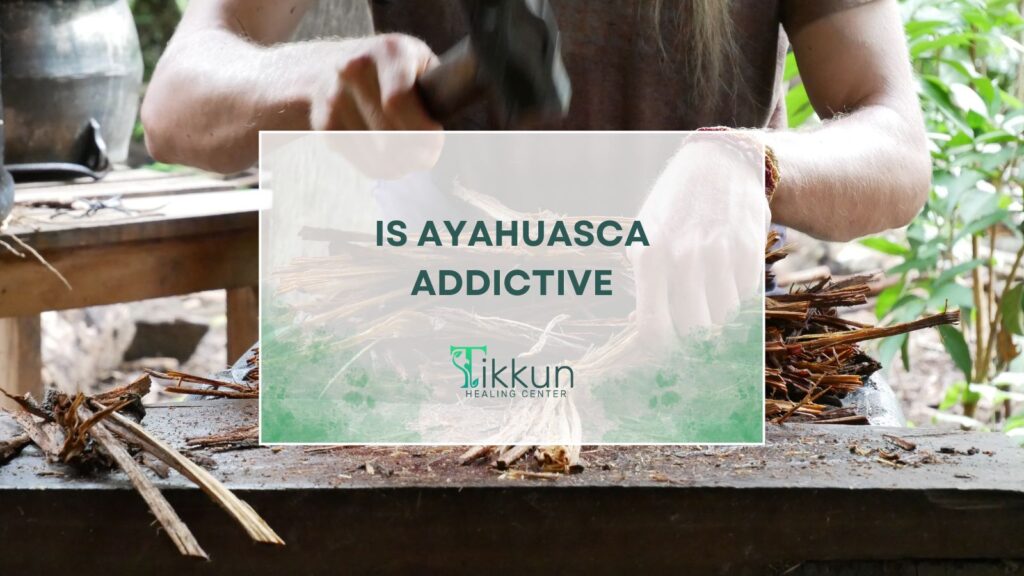
The preparation process involves pounding the vine, layering it with leaves, and boiling the mixture for 8 to 12 hours. This is repeated in cycles until a dark, concentrated tea remains. In traditional Shipibo and Peruvian ayahuasca ceremonies, shamans sing icaros (spiritual songs) while cooking to imbue the brew with healing intention.
Before and after the ceremony, participants follow a strict “ayahuasca dieta” that avoids salt, sugar, meat, alcohol, and sex. This is intended to cleanse the body and sharpen mental clarity. Shamans oversee the entire process, guiding dosage and infusing spiritual protection.
Ayahuasca is commonly prepared in forest settings and stored in glass bottles until the ceremony. According to a 2022 study by Rossi et al., titled “Ayahuasca, a potentially rapid acting antidepressant: focus on safety and tolerability,” the most commonly reported side effects were nausea, vomiting, headaches, and short-term cardiovascular changes, but no serious adverse events occurred when the brew was used in supervised settings.
Because of the potential risks when brewed incorrectly, safety measures are critical for home preparation. These include using accurately identified plants, non-aluminum cookware, and preparing in a ventilated space with a sober sitter present. After brewing, the tea is stored in sealed glass containers in a cool, dark place and used within 3–6 months.
To assess potency, start with a low dose of 10–20 mL (0.34 – 0.68 fl oz) in a safe environment. Advanced users sometimes use thin-layer chromatography (TLC) or high-performance liquid chromatography (HPLC) to verify alkaloid content.
Some advanced shamanic practitioners include Noya Rao, the “Tree of Light,” in their dietas. While not added to the brew itself, it is revered in Shipibo culture for guiding spiritual insight during deep training.
What is the traditional Ayahuasca recipe?
The traditional ayahuasca recipe is a plant-based medicine prepared by boiling Banisteriopsis caapi vine with Psychotria viridis leaves in water. The basic ratio used in indigenous preparation is approximately 1 kg (2.2 lbs) of caapi vine to 250–500 grams (0.55–1.1 lbs)of chacruna leaves. Banisteriopsis caapi provides harmala alkaloids (MAOIs), while chacruna supplies DMT, enabling a sustained visionary state when combined.
This Amazonian tradition holds deep cultural significance. The brew is made under strict ritual conditions, involving fasting and chanting by shamans to activate the plant spirits. The recipe is considered sacred and is passed down through oral transmission among tribes such as the Shipibo-Conibo, Asháninka, and Yawanawa.
A study by Riba et al., titled “Human Pharmacology of Ayahuasca: Subjective and Cardiovascular Effects, Monoamine Metabolite Excretion, and Pharmacokinetics” in 2003, confirmed that orally consumed DMT in ayahuasca reaches peak plasma levels approximately 1.5 hours after ingestion. This peak coincides with the height of psychoactive effects, which last between 4 to 6 hours. The study also emphasized that this effect is made possible by the MAOI action of β-carbolines from Banisteriopsis caapi, which inhibit first-pass metabolism and allow DMT to enter the bloodstream and reach the brain.
What plants are used to make Ayahuasca?
The plants used to make ayahuasca include specific psychoactive plants that, when combined, create the powerful hallucinogenic brew traditionally used in South American shamanic rituals. Below are the key plants and their roles in the preparation.

- Banisteriopsis caapi
- Psychotria viridis (Chacruna)
- Diplopterys cabrerana (Chaliponga)
- Other additives
These plants each play a crucial role in the preparation of ayahuasca, each contributing to the brew’s psychoactive and physiological effects.
- Banisteriopsis caapi
- This vine contains harmala alkaloids, such as harmine and harmaline, which act as MAO inhibitors. This allows the DMT from other plants to become psychoactive when consumed orally.
- A study by Brito-da-Costa et al., titled “Toxicokinetics and Toxicodynamics of Ayahuasca Alkaloids” in 2020, confirmed that Banisteriopsis caapi contains MAOIs that are essential for making DMT orally active and psychoactive
- Psychotria viridis (Chacruna)
- Chacruna leaves are a primary source of DMT, which induces intense hallucinogenic experiences.
- A study by Riba et al., titled “Subjective Effects and Tolerability of Ayahuasca” (2000), confirmed that DMT from chacruna is responsible for the vivid visions and altered states associated with ayahuasca
- Diplopterys cabrerana (Chaliponga)
- Chaliponga contains DMT, and it is sometimes used in place of Chacruna. It produces a slightly different experience due to its unique alkaloid profile.
- A review by Gable (2007) on ayahuasca ingredients indicated that Chaliponga produces more potent effects and is used in certain ayahuasca brews for a more prolonged experience.
- Other additives
- Additional plants are included in specific preparations for ceremonial, flavor, or enhancing effects. Common additives include guayusa, which has stimulant properties, or yagé, which has particular cultural and ritual significance.
- These additives’ effects vary by region and tradition, contributing to the unique nature of each ayahuasca brew.
How do you brew Ayahuasca?
To brew ayahuasca, begin by pounding Banisteriopsis caapi vine into small strips and layering it with Psychotria viridis leaves in a large pot. The mixture is covered with water and simmered for 8–12 hours under low heat, a process known as decoction. Multiple boils are performed, typically three, using fresh water each time to extract all active compounds. After each boil, the liquid is filtered through a fine mesh or cloth to remove plant material.
The combined extracts are then reduced over low heat into a thick, dark brew. This shamanic preparation ensures the full release of alkaloids and maintains the potency of the plant extraction. The final ayahuasca is cooled, strained again, and stored in glass containers for ceremonial use.
What is the process of cooking ayahuasca?
The process of cooking ayahuasca involves several critical steps to prepare the plants, extract the necessary compounds, and create the final psychoactive brew used in shamanic rituals. Below are the main steps in the cooking process.

- Selection of plants
- Crushing the vine
- Slow boiling
- Straining and reducing
- Selection of plants
The first step in cooking ayahuasca involves selecting the correct plants: Banisteriopsis caapi (vine) and Psychotria viridis (leaves), or alternatively, Diplopterys cabrerana (Chaliponga). These plants must be chosen carefully for their potency and purity. The vine provides the MAO inhibitors, and the leaves or other plants contribute the DMT. The selection process is integral to ensuring a potent and balanced brew.
- Crushing the vine
After selecting the plants, the Banisteriopsis caapi vine is stripped of its bark and crushed into smaller pieces. This process breaks down the plant material, aiding in the extraction of active compounds like harmine and harmaline, which are necessary for activating the DMT in the leaves or other plant materials. Crushing the vine is an essential step in releasing the active ingredients during boiling.
- Slow boiling
The crushed vine is then added to a pot with water and boiled for several hours. The Psychotria viridis leaves (or Chaliponga) are also added during this stage. The mixture is boiled over a low flame to extract the DMT and harmala alkaloids. The slow-boiling process is crucial as it ensures the compounds are fully extracted and concentrated, yielding a potent brew.
- Straining and reducing
After hours of boiling, the mixture is strained to remove solid plant material, leaving behind the liquid containing the psychoactive compounds. The liquid is then returned to the pot and boiled down further to concentrate it. This reduction process intensifies the brew, ensuring the final liquid is strong enough for consumption, resulting in a thick, dark liquid.
What is the role of Chacruna in Ayahuasca?
The role of Chacruna in ayahuasca is to provide DMT, the primary psychoactive compound responsible for the brew’s visionary effects. Chacruna (Psychotria viridis) contains high concentrations of N, N-Dimethyltryptamine, which becomes orally active only when combined with the MAOIs found in Banisteriopsis caapi. This creates a powerful psychoactive synergy, allowing sustained access to altered states of consciousness during ceremonies.
In indigenous use, Chacruna is selected based on potency, spiritual alignment, and guidance from plant teachers. Some Amazonian traditions, such as the Shuar or Santo Daime, substitute Chacruna with Diplopterys cabrerana, which has a stronger DMT profile. Variations depend on regional plant availability and lineage-specific knowledge passed through generations.
How do you prepare ayahuasca for a ceremony?
To prepare ayahuasca for a ceremony, shamans begin with ritualistic brewing using Banisteriopsis caapi vine and Psychotria viridis leaves, following guidance passed down through indigenous traditions. The ayahuasca ceremonies involve purification steps such as fasting, isolation, and spiritual cleansing before the brew is consumed.
Shamans chant icaros during preparation to invoke plant spirits and infuse the brew with intention. The space is cleansed with tobacco smoke or sacred plants like mapacho. Participants observe spiritual preparation practices, including silence, a clean diet, and mental focus. Intention-setting is central, as it guides the experience and aligns the participant with the healing aim of the ceremony.
How does the Shipibo Ayahuasca work?
Shipibo ayahuasca works by combining visionary medicine with precise energetic healing through sacred songs called icaros. The Shipibo follow Amazonian traditions where the shaman drinks the ayahuasca and uses icaros to guide, protect, and diagnose participants during the ceremony. Each icaro is received through years of dieta and plant study, believed to activate specific healing frequencies.
Shipibo healing focuses on clearing energetic blockages and restoring internal balance using geometric patterns seen in visions. Unlike other lineages, Shipibo rituals emphasize silent introspection, visual symbolism, and spiritual architecture embedded in song and plant spirit relationships.
What is the significance of the Ayahuasca dieta?
The significance of the ayahuasca dieta is in preparing the body and mind for deep spiritual work through cleansing and purification. The ayahuasca dieta restricts salt, sugar, meat, alcohol, processed foods, and sexual activity to reduce toxicity and enhance sensitivity to plant intelligence. This pre-ceremony preparation minimizes the risk of negative interactions, especially with MAOIs present in the brew. In plant dieta practice, participants isolate with a single plant teacher alongside ayahuasca, allowing the body to receive subtle teachings. The dieta strengthens the connection to the brew, sharpens mental clarity, and creates the internal stillness needed for lasting healing.
How do you source ingredients for Ayahuasca?
To source ingredients for ayahuasca, seek Banisteriopsis caapi vine and Chacruna leaves from trusted ethnobotanical suppliers or directly from Amazonian farms with transparent sourcing practices. Reputable vendors provide origin details, strain types, and proper drying methods. Ethical harvesting supports indigenous communities, avoids overharvesting wild plants, and respects traditional knowledge.
Sustainability is critical, as caapi takes years to mature. Some growers cultivate caapi and Chacruna in permaculture systems to reduce pressure on native forests. Legal issues vary by country; in many regions, DMT-containing plants are regulated or restricted. Buyers must verify import laws before sourcing to avoid legal conflict and support ayahuasca sourcing aligned with indigenous and ecological respect.
What are the risks of making Ayahuasca at home?
The risks in making ayahuasca at home are severe due to the complexity of plant chemistry, required knowledge of dosing, and lack of clinical oversight. Below are the main risks.

- Incorrect dosages
- Toxic plant combinations
- Psychological effects
- Legal restrictions
- Contaminated preparation environments
- Incorrect dosages
Improperly measured quantities of DMT-containing leaves or MAO-inhibiting vine result in overly intense or prolonged psychedelic experiences, sometimes leading to cardiovascular stress, seizures, or hospitalization. - Toxic plant combinations
Uninformed substitutions or incorrect plant pairings introduce harmful alkaloids or toxins. For example, using non-traditional analogs with unknown interactions causes hepatotoxicity or neurotoxicity. - Psychological effects
Without expert supervision, intense experiences trigger dissociation, panic, or psychosis, especially in individuals with underlying mental health conditions. A study by Uthaug et al., titled “A Placebo-Controlled Study of the Effects of Ayahuasca” (2021), found that poorly structured or unsupervised ayahuasca use increased the risk of anxiety and confusion during and after the experience - Legal restrictions
In many countries, possession of DMT or its analogs is illegal, making homemade brews prosecutable. Law enforcement agencies classify ayahuasca components as Schedule I substances. - Contaminated preparation environments
Improper hygiene, dirty water, or non-sterile cooking methods introduce bacteria or fungi, risking gastrointestinal infections and other health complications.
How do you ensure the safety of homemade ayahuasca?
Ensuring the safety of homemade ayahuasca requires precise knowledge of plant pharmacology, strict preparation protocols, and informed dosing to minimize physical and psychological risks.

Below are the primary safety measures:
- Using the correct plant species
- Understanding dosage and potency
- Testing for allergic reactions
- Preparing in sanitary conditions
- Avoiding pharmaceutical interactions
- Having a sober guide present
- Using the correct plant species
Only Banisteriopsis caapi and Psychotria viridis or Diplopterys cabrerana are used. Substituting unknown analogs increases the risk of toxic effects or failed MAO inhibition. - Understanding dosage and potency
Accurate measurement of both MAO inhibitors and DMT levels is essential. Overconcentration increases the risk of serotonin syndrome or traumatic hallucinations. A study by Riba et al., titled “Human Pharmacology of Ayahuasca” (2003), found that oral DMT at around 0.6 mg/kg produced strong psychoactive effects without serious adverse effects in healthy volunteers. - Testing for allergic reactions
Small pre-dose skin or oral exposure helps detect sensitivities. Unknown plant contaminants cause rashes, nausea, or anaphylactic shock. - Preparing in sanitary conditions
Boiling occurs in sterilized vessels with purified water to prevent bacterial or fungal contamination. Unhygienic conditions introduce gastrointestinal infections. - Avoiding pharmaceutical interactions
SSRIs, MAOIs, and antipsychotics dangerously interact with ayahuasca’s components. Users must stop these medications for 2–4 weeks before ingestion, based on clinical detox timelines. - Having a sober guide present
Psychedelic experiences lead to disorientation or self-harm. A grounded observer helps manage crises, call for medical help, or de-escalate fear responses.
What are the traditional methods of preparing ayahuasca?
The traditional methods of preparing ayahuasca include slow boiling the Banisteriopsis caapi vine and Psychotria viridis leaves in water over a wood fire for 8–12 hours. The indigenous knowledge guiding this process involves layering the vine and leaves in alternating sections, using river water, and performing multiple decoctions to concentrate the brew.
Shamans chant icaros during brewing to activate the plant spirits and spiritually charge the medicine. This ritual brewing occurs in secluded forest areas and includes tobacco cleansing, silence, and dietary restrictions. The final liquid is reduced to a thick, bitter tea, filtered, and stored for ceremonial use.
What is the role of a shaman in making ayahuasca?
The role of a shaman in making ayahuasca includes selecting the right plants, performing chants, and conducting energy work to ensure the brew’s spiritual integrity. The shaman’s roles involve more than preparation; they include forming a relationship with the plants, asking permission to harvest, and following ancestral protocols.
As curanderos, shamans chant icaros during the boiling process to guide the spirit of the medicine and harmonize its effects. They assess plant potency, balance DMT and MAOI levels, and set the energetic intention of the brew. This spiritual guidance anchors the process within the larger system of Amazonian healing, where every step carries both physical and metaphysical significance.
How do you store ayahuasca after preparation?
To store ayahuasca after preparation, pour the cooled liquid into airtight glass containers to prevent contamination and oxidation. Use dark amber or opaque bottles to limit light exposure, which degrades active compounds. Refrigeration extends shelf life to 3–6 months, preserving potency and reducing microbial growth.
For long-term storage, freeze in small glass jars, leaving headspace to prevent breakage. Avoid plastic containers, as they leach chemicals or absorb alkaloids. These preservation steps maintain the integrity of the brew and ensure safe use over time.
How do you test the potency of homemade ayahuasca?
To test the potency of homemade ayahuasca requires starting with a small dose, typically 10–20 ml (0.34 – 0.68 fl oz) in a safe and quiet setting. Observe the psychoactive effects over the first 2 hours to assess intensity, onset, and duration.
Traditional strength testing methods involve the shaman tasting the brew and using intuition guided by prior experience and connection to the plants. Subjective markers such as body load, visual clarity, and emotional depth help evaluate potency. Multiple low-dose trials refine the dosage before ceremonial use, minimizing risk and ensuring consistency.
Does ayahuasca increase sex drive?
Yes, ayahuasca increases sex drive through shifts in emotional clarity, energy balance, and altered consciousness, but effects vary by context. Some users report enhanced libido after ceremonies due to emotional release, deeper body awareness, and stronger heart connection.
Others experience reduced sexual energy during the ayahuasca dieta, where abstinence redirects focus to healing. Ayahuasca alters energy flow, which awakens sexual energy in some individuals during integration. The increase in sex drive is not hormonal but linked to emotional unblocking and expanded consciousness.
How is Ayahuasca prepared in Peru?
Ayahuasca is prepared in Peru by following indigenous ayahuasca traditions rooted in Peruvian shamanism. The brew combines Banisteriopsis caapi vine with Psychotria viridis leaves, boiled together over low heat for 8–12 hours. The process takes place in forest settings under the guidance of experienced shamans who chant icaros to charge the medicine.
Regional variations include adding plants like tobacco, toe (Brugmansia), or mapacho for specific effects. In some areas, shamans use Diplopterys cabrerana instead of chacruna for higher DMT concentration. The preparation remains ceremonial, with plant selection based on intuition, lineage knowledge, and energetic alignment.
What is Noya Rao?
Noya Rao is a master plant known as the “Tree of Light” in shamanic wisdom lineages, especially within the Shipibo-Conibo tradition. Noya Rao holds in ayahuasca traditions as a sacred teacher spirit used during long-term dietas for deep spiritual purification and guidance.
Its bark is said to glow in the dark, earning it the name luminescent tree, and is used in isolation dietas to connect with divine intelligence. Practitioners believe Noya Rao teaches through dreams, visions, and intuitive knowing, offering protection and clarity. Though not typically added to ayahuasca brews, it plays a central role in spiritual development and healing through direct energetic transmission.
Tikkun Healing Center Editorial Team
The Tikkun Healing Center Editorial Team is a dedicated group of writers, researchers, and wellness experts committed to delivering insightful, accurate, and inspiring content. With a deep understanding of holistic health, mental well-being, and spiritual growth, the team curates articles, guides, and resources that educate and empower readers on their healing journey. Each member brings a unique perspective, blending professional expertise with compassionate storytelling to ensure that every piece reflects Tikkun’s mission of nurturing mind, body, and spirit. Their collaborative approach emphasizes authenticity, evidence-based practices, and the promotion of meaningful, positive change in the lives of their audience.