Peyote and ayahuasca are psychoactive substances traditionally used in indigenous rituals. Peyote, a small cactus native to the southwestern United States and northern Mexico, contains mescaline as its active compound. Ayahuasca, a brew from the Amazon basin, combines the Banisteriopsis caapi vine and Psychotria viridis leaves, with dimethyltryptamine (DMT) as its primary psychoactive component. Both have been employed for centuries in spiritual and healing ceremonies.
Recent studies suggest potential therapeutic benefits. Ayahuasca has been associated with short-term reductions in depression symptoms and suicidality. Peyote’s influence on the brain also leads to emotional instability, intensifying feelings of anxiety or depression. Peyote induces hallucinations and altered perception, while ayahuasca causes nausea and vomiting, along with vivid visions.
Culturally, peyote is integral to Native American religious practices in North America, whereas ayahuasca is central to Amazonian indigenous ceremonies. Combining these substances is not advisable due to their distinct pharmacological profiles. Legally, both are classified as Schedule I substances in the U.S., though peyote has exemptions for specific religious uses. Comparatively, ayahuasca and psilocybin share serotonergic activity but differ in duration and intensity of effects. Both substances exhibit similarities in their traditional ceremonial use and psychoactive properties, yet differ in cultural origins, active compounds, and legal status.
What is peyote?
Peyote is a small, spineless mescaline cactus native to the Chihuahuan Desert. Peyote contains the hallucinogenic alkaloid mescaline, a psychoactive compound classified as a serotonergic psychedelic. The cactus grows in button-shaped crowns that appear above ground, typically in limestone-rich soil. The Native American Church administers peyote as a sacred sacrament during nocturnal healing rituals and spiritual ceremonies. Peyote ingestion induces altered states of consciousness, visual distortions, and emotional introspection lasting up to 12 hours.
The psychoactive plant supports collective prayer and ancestral communion among Native American groups. Peyote remains integral to the Native American Church’s legal exemption under the U.S. Religious Freedom Restoration Act. Mescaline extracted from peyote activates 5-HT2A receptors in the brain, producing its psychedelic effects. A study by Krebs and Johansen titled Psychedelics and mental health: A population study in 2013 found that mescaline use had no association with increased mental health problems and instead showed decreased psychological distress
What is ayahuasca?
Ayahuasca is a psychoactive DMT tea brewed from Banisteriopsis caapi vine and Psychotria viridis leaves. Ayahuasca contains dimethyltryptamine (DMT) and monoamine oxidase inhibitors (MAOIs), which enable oral DMT absorption through inhibition of enzymatic breakdown. Amazonian shamanism integrates ayahuasca ceremonies into purification, healing, and divination practices. Indigenous tribes across Peru, Brazil, and Colombia administer ayahuasca under ritual supervision to induce visions and spiritual insights. Ayahuasca consumption triggers intense perceptual changes, emotional exposure, and altered temporal awareness.
The psychoactive brew stimulates serotonin receptors, especially 5-HT2A, producing its psychedelic effects. A study by Barbosa et al. titled Health status of ayahuasca users in 2012 showed that ayahuasca users reported better psychological well-being and reduced addictive behavior. Ayahuasca ceremonies remain regulated under spiritual exemptions in several countries but are classified as controlled substances in others due to DMT content.
How are peyote and ayahuasca used medically?
Peyote and ayahuasca are used medically to treat mental health disorders, including PTSD, depression, and addiction. Psychedelic therapy with peyote, due to its mescaline content, has shown promise in reducing anxiety and depression in clinical trials. A study by Grob et al., titled “Pilot Study of Psilocybin Treatment for Anxiety in Patients with Advanced-Stage Cancer” in 2011, demonstrated the potential of psilocybin in improving emotional processing and reducing anxiety in patients facing life-threatening illness. Ayahuasca’s DMT research indicates therapeutic value in addressing addiction and psychological distress. Ayahuasca users report decreased substance dependence and enhanced emotional well-being.
A study by Palhano-Fontes et al., titled “Rapid antidepressant effects of the psychedelic ayahuasca in treatment-resistant depression: a randomized placebo-controlled trial” in 2019, demonstrated that a single session of ayahuasca administration reduced symptoms of depression in patients with treatment-resistant major depressive disorder. Improvements were observed as early as 1 day after administration and continued for 7 days, with no serious adverse effects reported.
How do peyote and ayahuasca impact mental health?
Peyote and ayahuasca impact mental health through their ability to reduce symptoms of depression, anxiety, and PTSD. Peyote, containing mescaline, induces alterations in perception and emotional states, leading to improved emotional processing.
A study by Agin-Liebes et al., titled “Naturalistic Use of Mescaline Is Associated with Self-Reported Psychiatric Improvements and Enduring Positive Life Changes” in 2021, found that individuals with a history of depression, anxiety, PTSD, or substance use disorders reported improvements in their conditions after mescaline use. Among respondents, 68–86% reported subjective improvement in psychiatric symptoms following their most meaningful mescaline experience.
Ayahuasca, containing DMT and MAOIs, promotes emotional healing through profound psychedelic experiences, leading to a deep re-evaluation of personal trauma. A study by Palhano-Fontes et al., titled “Rapid Antidepressant Effects of the Psychedelic Ayahuasca in Treatment-Resistant Depression,” in 2019 demonstrated that a single dose of ayahuasca led to reductions in depression symptoms among patients with treatment-resistant major depressive disorder.
Improvements were observed as early as 1 day after dosing and lasted for at least 7 days, with minimal adverse effects. Both peyote and ayahuasca contribute to mental health improvement through psychedelic-assisted therapy, enhancing emotional healing and trauma recovery.
Are there traditional uses of peyote and ayahuasca?
Yes, peyote and ayahuasca are used traditionally for spiritual and ceremonial purposes. Peyote is integral to Native American rituals, particularly within the Native American Church, where it is consumed as part of sacramental ceremonies aimed at healing and divine connection. These ceremonies, which are guided by a spiritual leader, involve ingestion of peyote as a means of achieving a vision quest or gaining insight.
Ayahuasca is central to Amazonian shamanic healing, where indigenous tribes use the brew in ceremonies led by shamans. Ayahuasca rituals, held at night, invoke powerful visions and emotional healing. Both peyote and ayahuasca are considered sacred plant medicines, playing a role in entheogenic traditions used to connect individuals with higher spiritual realms.
Can peyote and ayahuasca be used together?
No, peyote and ayahuasca can not be used together due to severe risks from psychedelic interactions and cross-entheogen use. Peyote contains mescaline, a phenethylamine, while ayahuasca combines DMT with monoamine oxidase inhibitors (MAOIs) from Banisteriopsis caapi. Combining mescaline with MAOIs increases the risk of hypertensive crisis, serotonin syndrome, and prolonged psychosis.
A study by Callaway et al., titled Pharmacokinetics of Hoasca Alkaloids in Healthy Humans (1999), confirms that MAOIs in ayahuasca inhibit the breakdown of psychoactive compounds, intensifying other substances when co-ingested.A review by Halberstadt (2017), titled “Pharmacology and Toxicology of N-Benzylphenethylamine (‘NBOMe’) Hallucinogens,” stated the high potency and potential dangers of phenethylamine derivatives with strong serotonergic activity, noting their capacity for severe adverse effects when misused or taken at high doses.
Cross-entheogen use disrupts ceremonial frameworks. Traditional use of peyote among the Native American Church and ayahuasca (among Amazonian tribes) involves strict protocols rooted in spiritual discipline. Mixing disrupts these contexts and is widely considered disrespectful and unsafe within both indigenous systems.
What are the effects of peyote and ayahuasca?
The effects of peyote and ayahuasca are intense psychedelic experiences, leading to altered perception, emotional breakthroughs, and spiritual insights.

Below are the effects of each.
- Peyote:
- Visual distortions
- Altered perception
- Nausea
- Deep introspection
- Duration: 10-12 hours
- Ayahuasca:
- Intense visions
- Purging (vomiting, diarrhea)
- Emotional breakthroughs
- Spiritual insights
- Duration: 4-6 hours.
How do peyote and ayahuasca differ in their cultural origins?
Peyote and ayahuasca differ in cultural origin through distinct indigenous plant medicine systems and sacred rituals. Peyote originates from Native American spiritual traditions across the Southwestern United States and Northern Mexico. The Native American Church uses peyote in structured prayer ceremonies focused on healing, morality, and community cohesion. Ceremonies last overnight and follow fixed protocols centered on fire, song, and introspection.
Ayahuasca stems from Amazonian shamanic systems practiced in Peru, Brazil, Colombia, and Ecuador. Ayahuasca ceremonies involve shamans (curanderos) guiding participants through purging, chanting (icaros), and spiritual visions. Rituals use ayahuasca as a diagnostic and healing tool tied to plant spirit cosmology.
Indigenous knowledge systems view both substances as sacred but maintain clear ritual separation. Cross-use between these traditions is rare and culturally discouraged.
What are the spiritual uses of peyote and ayahuasca?
The spiritual uses of peyote and ayahuasca include self-discovery, ancestral connection, and spiritual awakening through sacred psychedelics and visionary plants. Peyote supports moral introspection, emotional healing, and communion with ancestral spirits in Native American Church ceremonies. The cactus induces prolonged states of clarity, allowing participants to process trauma and realign with communal values.

Ayahuasca guides spiritual enlightenment through intense visionary states and purgative rituals. Amazonian shamans use the brew to communicate with plant spirits, diagnose energetic imbalances, and reveal hidden emotional truths. Participants experience ancestral visions, symbolic death-rebirth cycles, and teachings from non-ordinary realities.
Both substances function as spiritual medicines under strict ceremonial guidance, reinforcing indigenous views of nature as conscious and relational.
Are peyote and ayahuasca legal?
Yes, peyote and ayahuasca are legal in some regions under specific religious exemptions, but remain restricted under most national psychedelic laws. The ayahuasca legal status varies widely, with some countries allowing ceremonial use while others maintain strict prohibitions. In the U.S., peyote is federally classified as a Schedule I substance but permitted for sacramental use by the Native American Church under the American Indian Religious Freedom Act. Ayahuasca receives similar protection for recognized religious groups such as União do Vegetal and Santo Daime. In Brazil and Peru, ayahuasca is legal for traditional spiritual ceremonies. Several U.S. cities, including Oakland and Denver, have decriminalized plant-based psychedelics. Most global drug policy frameworks still prohibit unsanctioned use outside ceremonial or research settings.
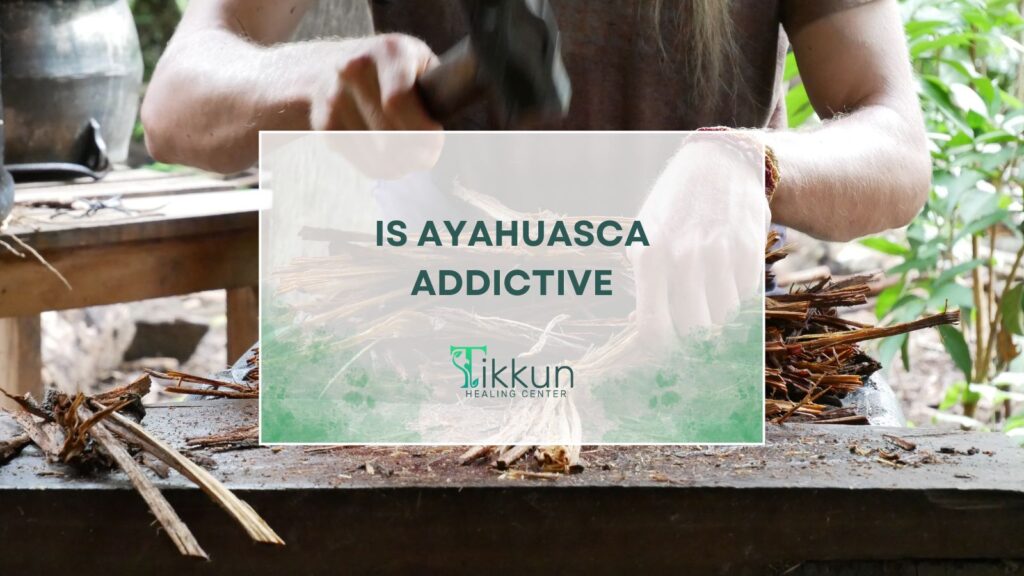
Is Ayahuasca addictive?
No, ayahuasca is not addictive due to its pharmacological action and lack of physical dependence potential. The ayahuasca addiction profile shows no compulsive use pattern or withdrawal symptoms in clinical or ceremonial contexts. Ayahuasca activates serotonin 5-HT2A receptors through DMT, producing intense but self-limiting psychedelic effects without triggering dopamine reward cycles linked to addiction. Studies confirm that ayahuasca does not create tolerance or cravings typical of addictive substances. Regular ceremonial use remains structured and guided, reducing the risk of misuse.
What are the risks of using peyote vs ayahuasca?
The risks of using peyote and ayahuasca are associated with physical discomfort, psychological effects, and potential legal or health complications.

Below are the risks of each:
- Peyote:
- Nausea
- Vomiting
- Anxiety
- Legal restrictions
- Risk of triggering pre-existing mental health issues
- Ayahuasca:
- Intense psychological effects
- Serotonin syndrome risk (especially when combined with other medications)
- Purging (vomiting, diarrhea)
- Risk of triggering mental health disorders like psychosis.
How does Ayahuasca compare to other psychedelics?
Ayahuasca, compared to other psychedelics, shows distinct pharmacology, onset, and spiritual context. The psilocybin profile shares serotonergic effects but lacks the MAOI interaction present in ayahuasca, making its experience shorter and less purgative. Ayahuasca contains DMT combined with harmala alkaloids, producing visions and physical cleansing over 4 to 6 hours.
LSD is synthetic, longer-lasting (8 to 12 hours), and interacts with a broader receptor range, lacking the emotional depth and somatic release reported in ayahuasca ceremonies. Mescaline, found in peyote, has a slower onset and more tactile and emotional effects. Ayahuasca remains unique as a shamanic plant medicine rooted in ritual and guided intention.
What are the differences and similarities between peyote and ayahuasca?
The differences and similarities of peyote and ayahuasca include.
| Attribute | Peyote | Ayahuasca |
| Source | Cactus from Lophophora williamsii | Brew from Banisteriopsis caapi and Psychotria viridis |
| Active Compound | Mescaline (phenethylamine) | DMT + Harmala alkaloids (tryptamine + MAOIs) |
| Duration | 8–12 hours | 4–6 hours |
| Cultural Use | Native American Church ceremonies | Amazonian shamanic rituals |
| Preparation Method | Dried or fresh cactus sliced and consumed | Vines and leaves brewed into thick tea over several hours |
Tikkun Healing Center Editorial Team
The Tikkun Healing Center Editorial Team is a dedicated group of writers, researchers, and wellness experts committed to delivering insightful, accurate, and inspiring content. With a deep understanding of holistic health, mental well-being, and spiritual growth, the team curates articles, guides, and resources that educate and empower readers on their healing journey. Each member brings a unique perspective, blending professional expertise with compassionate storytelling to ensure that every piece reflects Tikkun’s mission of nurturing mind, body, and spirit. Their collaborative approach emphasizes authenticity, evidence-based practices, and the promotion of meaningful, positive change in the lives of their audience.